As public and not‑for‑profit organisations continue to navigate complex and fast‑paced transformation, the role of HR and L&OD professionals and senior leaders in shaping fair, robust and future‑focused assessment processes have never been more important.
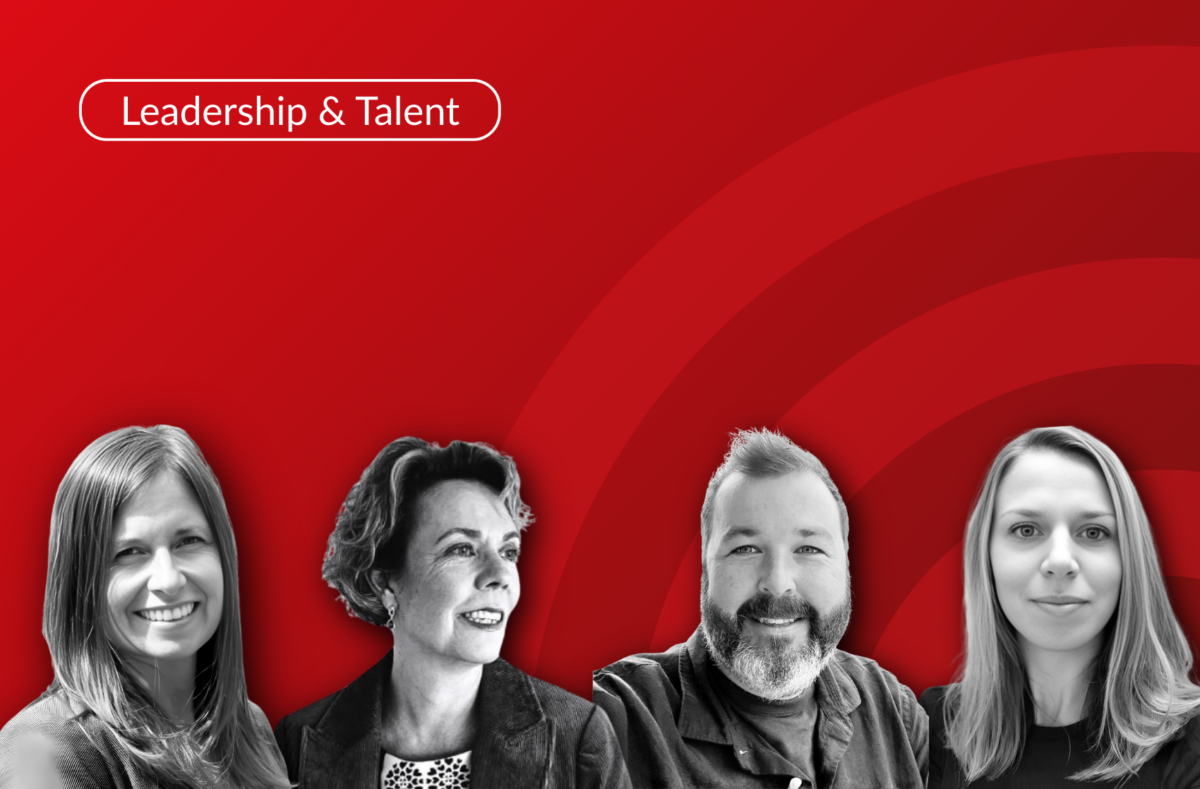
This week, GatenbySanderson hosted its lunchtime webinar, Assessment & Development for Organisational Change, bringing together leaders from health, defence, and assessment practice to explore what truly effective assessment looks like during periods of change. Chaired by Jennifer Tester, the session featured expert insights from Nicola McIntosh FCIPD, Adam Godwin, Alison Sortwell, and Penny Baker, and attracted strong engagement from leaders across sectors. One attendee summarised the value of the session perfectly:
“The webinar covered getting buy‑in from candidates and senior teams, defining robust and inclusive assessment processes, and assessing with a focus on future leadership behaviours and culture change.”
Below is a full wrap‑up of the core themes, practical guidance and leadership reflections shared throughout the session.
1. Culture and People: The Foundation of Successful Organisational Change
Transformation cannot succeed on strategy alone; culture and leadership behaviour remain the determining factors. As Adam highlighted, “culture eats strategy for breakfast”, emphasising that assessments must help organisations understand what leadership skills they will need not just now, but in the future.
For HR and L&OD professionals and senior leaders, this means:
- Aligning assessment to organisational values
- Recognising that people’s experience of change directly shapes outcomes
- Using assessment to connect culture, capability and long‑term ambition
2. Beyond Performance: Understanding Potential for Future Leadership
A key theme was the importance of assessing not only past performance but also future potential. Penny explained her three‑circle model covering past, present and future capability, integrating behavioural interviews, scenario exercises and psychometric insights to predict how individuals might step into new, more complex roles.
For organisations undergoing transformation, this approach helps identify:
- Leadership agility
- Capacity for systemic and strategic thinking
- Psychological safety and adaptability
- Long‑term leadership pipeline strength
Adam reinforced this from a defence and innovation perspective, highlighting the shrinking “digital half‑life” and the increasing need for leaders who can operate with pace and resilience.
2. The Power of Independent, Neutral Assessment
During periods of restructure or redesign, emotions run high and participants often feel vulnerable. Nicola and Alison shared how independent assessors played a critical role in creating trust, fairness and consistency during times of uncertainty.
By removing perceptions of bias or favouritism, external assessment:
- Demonstrates integrity and transparency
- Builds participant confidence
- Helps senior leaders make objective, defensible decisions
This independence is especially vital when assessing internal candidates, restructuring leadership teams or preparing for future succession.
4. Supporting Wellbeing During High‑Stakes Change
Many organisations underestimate the emotional impact of assessments during change programmes. Nicola described how her team implemented structured communication, coaching, and ongoing support to help colleagues navigate the process. Transparency and clarity were essential, people want to know what to expect, how they will be assessed, and what the outcomes might mean for their careers.
Practical steps that support wellbeing include:
- Briefings and Q&A sessions before assessments
- Clear documentation and expectations
- Coaching and development conversations post‑assessment
- Ensuring leaders have access to tools such as EAPs
5. Creating Inclusive and Equitable Assessment Experiences
Inclusivity was a major focus, particularly around neurodiversity. Adam shared how engaging early with teams, circulating materials in advance, and offering alternative formats helped create a fair experience for highly specialist and neurodiverse groups.
Alison and Penny also stressed the importance of:
- Designing assessments that measure the right skills
- Using realistic, role-relevant scenarios
- Ensuring assessments don’t disproportionately favour certain thinking styles
- Providing reasonable adjustments without compromising fairness
6. Using Assessment as a Continuous Leadership Development Tool
Perhaps one of the most resonant messages was that assessments should not be a “one‑off event”. In transformative environments, assessment provides rich data that supports ongoing leadership development, workforce planning and capability building.
Adam described how his organisation now uses an eight‑skill leadership framework to monitor development needs and target interventions, such as:
- Reverse mentoring
- Communication workshops
- Specialist development for identified gaps
- Executive-level capability building
Nicola added that assessment data helped individuals re‑energise in new roles and supported targeted coaching, with many colleagues feeling for the first time that their full capability had been recognised.
7. Securing Executive Sponsorship and Long‑Term Commitment
A key takeaway for anyone in senior leadership: executive sponsorship is non‑negotiable. Without visible commitment from the top, assessment programmes lose impact and momentum.
The panel emphasised:
- Planning leadership assessments at least six months in advance
- Ensuring senior teams model vulnerability and personal development
- Recognising that leadership evolution takes years, not weeks
- Framing assessment as a strategic investment, not a process
Nicola summarised it clearly: this cannot be a people‑led change alone, it must be fully backed by the executive team and aligned to future succession needs.
8. Building Buy‑In from Participants Across the Organisation
Finally, the panel explored how to encourage engagement and reduce resistance. Over‑communication, union involvement, transparency about purpose and fairness, and practical briefing sessions all helped reduce anxiety and build trust in the process.
When participants understand why assessments are happening, and what they will gain, engagement increases dramatically.
Final Reflections
The webinar highlighted just how central assessment and development are to delivering sustainable organisational change.
For senior leaders, the message was clear:
- Invest early
- Communicate often
- Use independent expertise
- Focus on both present capability and future potential
- Embed assessment into long-term leadership strategy
If you missed the session but would like to discuss how assessments would benefit your organisation or attend future events, get in touch with our team.
Contact: alison.sortwell@gatenbysanderson.com
Find out more about GatenbySanderson’s Leadership and Talent Consultancy with Assessment and 360 feedback services.